
In the world of fashion, accessories play a key role in enhancing one’s style, and belts are no exception. Once considered a utilitarian tool to hold pants in place, belts have evolved into a prominent fashion statement. Especially in India, where the blend of tradition and modernity has paved the way for innovation in fashion trends, belts are now an indispensable accessory in the wardrobe of both men and women. The increasing interest in fashion, paired with evolving consumer preferences, has created a dynamic market for belts, making them more than just a functional accessory but an essential piece of one’s overall look.
Product USP: Why Choose a Belt?
A belt, though simple in its form, offers a multitude of functionalities and style choices. For starters, belts are versatile and can complement a wide variety of outfits, from casual wear to formal suits. A leather belt adds sophistication, while a cloth belt can lend a relaxed, casual vibe.
In the Indian context, belts have been associated with both cultural heritage and contemporary fashion. Indian consumers appreciate a mix of high-quality craftsmanship and modern design, making belts made from premium materials like genuine leather or woven fabrics particularly appealing. The Indian fashion consumer is also drawn to belts that provide comfort while offering a sense of style and uniqueness.
Moreover, belts come in various styles, colors, and sizes, which allows individuals to express their personality. Whether it’s a classic black leather belt, a vibrant embroidered belt, or a sleek metallic belt buckle, the choices are endless. The convenience and functionality combined with the trend-forward designs make belts an essential accessory for consumers looking to add an extra touch of flair to their outfits.
Market Research: Consumer Insights
When it comes to consumer behavior in the fashion and apparel industry, there are clear trends that help shape the purchasing decisions. Indian consumers are increasingly leaning towards online shopping, with platforms like Amazon, Flipkart, and Myntra offering a wide range of belts. This digital shift has seen an uptick in demand for high-quality belts from both domestic and international brands.
Indian consumers place a significant emphasis on quality, particularly in products like belts that are used regularly. The materials used in the belts—leather, fabric, and metal—are crucial factors that influence purchasing decisions. Sustainability is another growing trend, with many consumers preferring brands that promote eco-friendly and ethical production processes.
Belts are not just limited to practical needs but are becoming important fashion items. In a country like India, where fashion is continuously evolving, the blend of tradition and contemporary styles in belts has garnered substantial attention. For instance, belts with traditional Indian embroidery, known as ‘zardozi,’ or those made with handwoven fabrics, have gained popularity among Indian consumers. These belts often merge cultural aesthetics with modern-day needs, creating a perfect synergy between past and present fashion sensibilities.
Market and Consumer Potential
The market for belts in India has substantial potential for growth. As India continues to experience rapid urbanization, increasing disposable income, and a growing middle class, the demand for stylish and high-quality fashion accessories, including belts, is expected to rise. The country’s younger population, which is highly influenced by social media and global fashion trends, also contributes to the growing market for accessories like belts.
Furthermore, the increasing acceptance of online shopping in tier II and III cities opens new opportunities for belt manufacturers and retailers to target a broader customer base. The trend toward self-expression through fashion accessories has further increased the market for belts, as they offer an affordable yet stylish way for consumers to elevate their outfits. As fashion becomes more inclusive, belts in various sizes and designs are catering to a diverse range of body types, making them accessible to more consumers than ever before.
Marketing Strategies for Belts
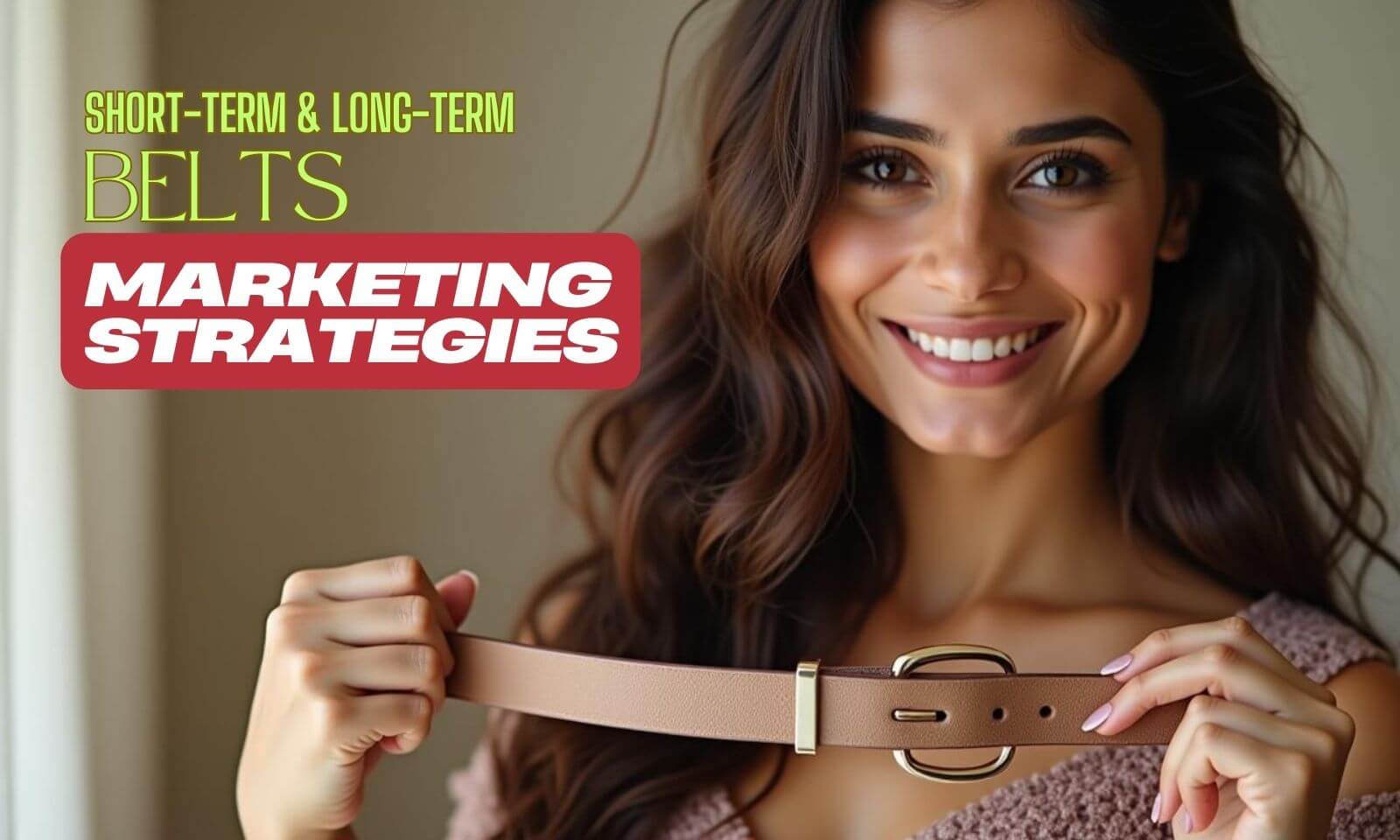
To tap into the growing market, brands need a mix of both short-term and long-term marketing strategies.
Short-term Marketing Strategies:
- Seasonal Promotions and Discounts: Offering special discounts during peak shopping seasons, such as Diwali or New Year, can drive immediate sales and brand awareness.
- Influencer Collaborations: Partnering with fashion influencers, especially those who appeal to the younger demographic, can help create buzz around new belt designs and trends.
- Targeted Social Media Ads: Leveraging platforms like Instagram, Facebook, and TikTok, which have a significant fashion-forward audience, can help reach potential customers quickly. Social media ads showcasing styling tips and outfit inspirations with belts can draw consumer attention.
- Flash Sales and Limited Editions: Creating urgency through limited-edition collections or flash sales will entice customers who are looking for exclusive designs and deals.
Long-term Marketing Strategies:
- Brand Storytelling: Positioning the belt brand as a sustainable, ethical fashion choice could appeal to the growing trend of mindful consumption. Storytelling about the brand’s craftsmanship, eco-friendly practices, and cultural relevance will help build lasting consumer loyalty.
- Partnerships with Designers: Collaborating with renowned Indian fashion designers to create exclusive belt collections can elevate the brand’s status and appeal to high-end consumers.
- Loyalty Programs: Developing a loyalty program that offers repeat customers special deals or early access to new collections can help maintain customer retention and increase lifetime value.
- Cross-Industry Collaborations: Partnering with apparel brands to offer bundled deals, such as a belt with a shirt or pair of jeans, could encourage consumers to purchase more items.
Conclusion: The belt market in India is expanding, driven by increasing fashion consciousness and the desire for personalized, functional accessories. With its combination of utility and style, the belt is a must-have for anyone looking to enhance their wardrobe. Whether in the form of a sleek leather belt, a colorful woven design, or a traditional embellished piece, belts continue to evolve and captivate the Indian fashion consumer. By combining targeted short-term strategies with thoughtful long-term initiatives, brands can successfully position their belts as the accessory of choice for fashion-forward individuals across the country.
FAQs based on “The Rise of Belts as Fashion Accessories in India”:
1. Why are belts becoming popular in India as fashion accessories?
Belts are no longer just functional but have evolved into essential style accessories. Their versatility, ability to complement various outfits, and blend of traditional and modern designs have made them popular in India.
2. What makes a belt an essential part of an outfit?
Belts add a stylish element to any outfit, providing both functionality and a fashion-forward look. They help define the waist, add structure, and serve as a statement piece, especially when paired with both casual and formal wear.
3. What materials are commonly used for belts in India?
Belts in India are often made from high-quality materials like leather, fabric, and metal. Leather belts are popular for formal settings, while woven or cloth belts add a relaxed, casual vibe.
4. Are traditional Indian elements incorporated in belts?
Yes, belts with traditional Indian embroidery like ‘zardozi’ or handwoven fabrics are becoming increasingly popular. These designs merge cultural aesthetics with modern fashion trends, appealing to consumers seeking unique and culturally relevant accessories.
5. What role does online shopping play in the rise of belts as fashion accessories in India?
Online shopping has boosted accessibility and convenience, allowing consumers from urban to tier II and III cities to easily purchase belts. Platforms like Myntra, Amazon, and Flipkart offer a wide variety of belt styles and designs.
6. Why is sustainability important when choosing a belt in India?
Sustainability has become a key consideration, with consumers opting for eco-friendly brands. Belts made with sustainable materials or those that promote ethical production practices are increasingly appealing to conscious shoppers.
7. What styles of belts are trending in India?
Sleek leather belts, vibrant embroidered belts, metallic buckles, and traditional handwoven designs are trending. The diversity in styles caters to various preferences and occasions, from casual wear to formal outfits.
8. How do belts enhance a person’s style in India?
Belts help add an extra layer of flair to outfits. Whether it’s a classic black leather belt for sophistication or a colorful embroidered one for a pop of personality, belts allow individuals to express their unique style.
9. What is the price range for belts in India?
The price range varies depending on the material and design. Basic fabric or synthetic belts might cost anywhere from ₹500 to ₹1,500, while premium leather belts or designer pieces can go upwards of ₹3,000 to ₹5,000 or more.
10. How can I style belts with traditional Indian clothing?
Belts can be worn with traditional outfits like sarees, lehengas, and kurta sets to add structure and a modern touch. Embellished or handwoven belts work well with ethnic wear, offering a blend of traditional and contemporary style.
11. Can belts be worn by both men and women in India?
Yes, belts are versatile accessories suitable for both men and women. Men often wear leather belts with formal or casual outfits, while women embrace a variety of belt styles, including bold statement pieces and traditional designs.
12. How do I choose the right belt for my body type?
For a slimmer frame, a narrow belt works well, while for a curvier body, a wider belt can help define the waist. Belts should match the overall style and fit of your outfit for a balanced look.
13. Are there belts specifically designed for plus-size individuals?
Yes, many brands are now offering belts in various sizes to cater to a diverse range of body types. Adjustable belts and designs that accentuate the waistline are gaining popularity.
14. What are some effective marketing strategies for belts in India?
Brands can use influencer collaborations, seasonal promotions, and social media ads to generate buzz. Long-term strategies like brand storytelling, loyalty programs, and partnerships with designers help build consumer trust and loyalty.
15. What should I consider when buying a belt in India?
Consider the material (leather, fabric, or metal), the design (casual, formal, or traditional), and the comfort level. Durability and quality are also key factors, as belts are a regular-use accessory.
16. How can I maintain and care for my leather belt?
Leather belts should be cleaned and conditioned regularly to maintain their shine and flexibility. Avoid excessive exposure to water, and store them in a cool, dry place to prevent them from cracking.
17. What is the potential for growth in the belt market in India?
The belt market in India has substantial growth potential, driven by increasing disposable incomes, urbanization, and fashion-conscious consumers. The growing middle class and digital shopping platforms are expanding the market’s reach.
18. How do social media and influencers impact the belt market in India?
Social media platforms like Instagram, TikTok, and YouTube are key in promoting belt trends. Fashion influencers play a significant role in popularizing new belt designs and styles, helping brands connect with younger audiences.
19. What makes a belt brand stand out in India’s competitive market?
A brand that offers high-quality craftsmanship, unique designs, and a blend of traditional and contemporary styles stands out. Brands that prioritize sustainability, eco-friendly production, and ethical practices also attract a loyal customer base.
20. How do I incorporate a belt into a formal or business outfit?
For a formal or business outfit, opt for a sleek, classic leather belt with a simple, elegant buckle. Black or brown leather belts complement suits, trousers, or dress pants, adding a polished touch to professional attire.
Disclaimer: The views and opinions expressed in this article are solely those of the author and do not necessarily reflect the official policies or positions of any organization or entity. The information provided is for general informational purposes only and should not be considered professional advice. While every effort has been made to ensure accuracy, the author and publisher assume no responsibility for any errors or omissions. Readers are encouraged to conduct their research and seek professional guidance before making any business or financial decisions.
Use of AI: The photos, content, and some reports in this newsletter and website https://www.vijaymalhotra.in/ are AI-generated using Artificial Intelligence tools.